
Welcome! Unlock Your First Offer Here
Welcome! Unlock Your First Offer Here
Welcome! Unlock Your First Offer Here
China's top anti-drone jammer manufacturer

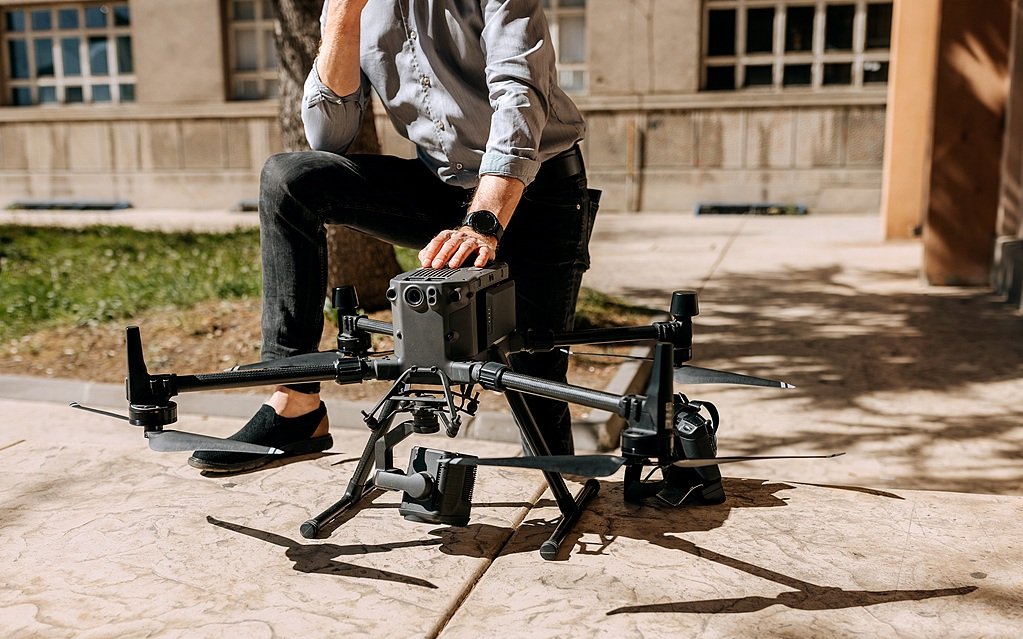
I see rising drone threats create stress, and old systems fall behind fast. Drones are everywhere—from logistics to filmmaking—but misuse risks are growing.
Anti-drone modules give fast, flexible, and scalable protection, detecting and mitigating threats without rebuilding entire systems.
I want to help you see why modules change how we secure airspace against modern drone threats.
I see many teams struggle because their old systems cannot keep up with new drones. Unauthorized flights, corporate espionage, and trespassing on critical infrastructure are common problems.
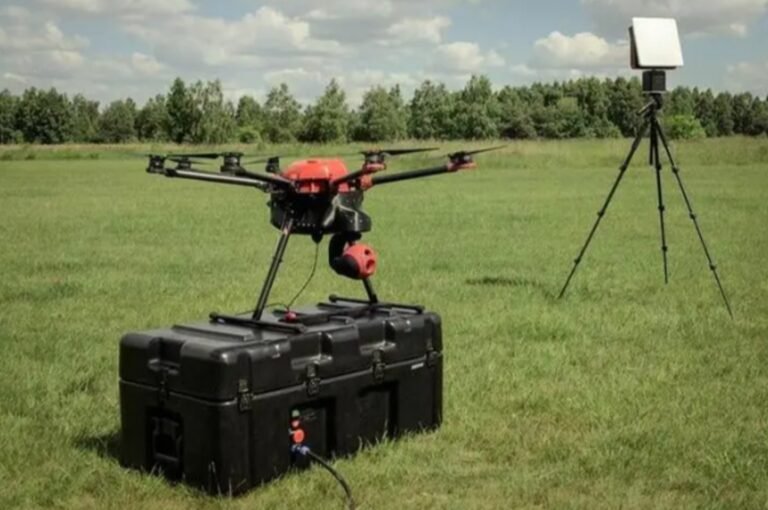
Anti-drone modules integrate into vehicles, fixed sites, and portable kits to give broad defense without redesigning full systems.
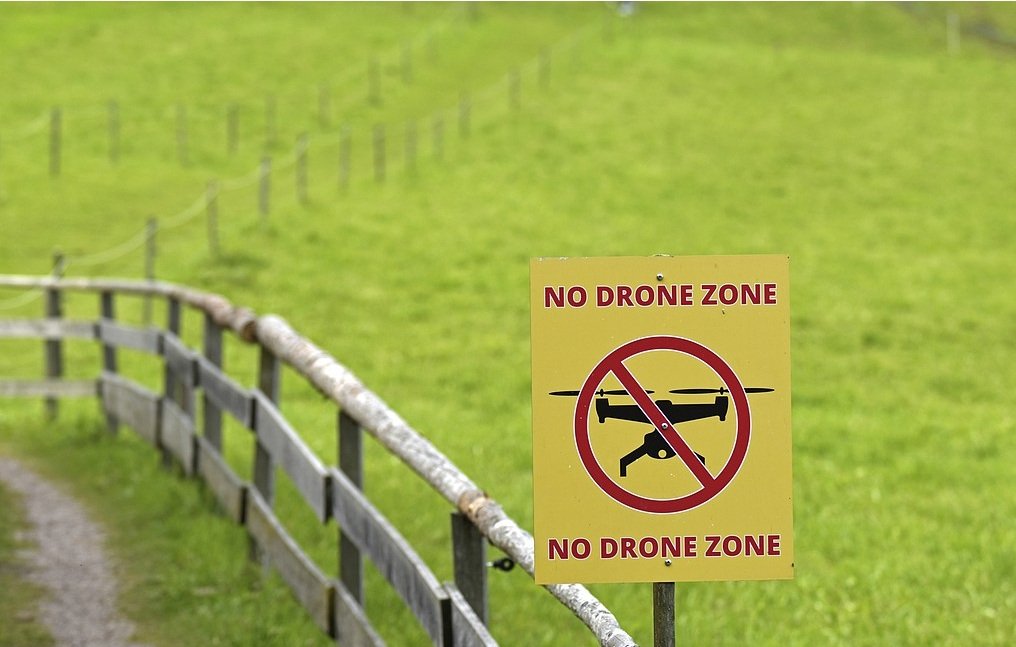
The biggest shift is moving from rigid, single-purpose systems to open, modular setups. I’ve seen teams plug a jammer into a vehicle or a fixed site and have it work immediately. This eliminates long delays and reduces operational stress. Anti-drone modules let teams add detection or mitigation anywhere—mobile patrols, airports, or events—without redesigning systems.
| Platform Type | Integration Style | Typical Use Case |
| Vehicle-Based | Power + mount port | Mobile patrols, border units |
| Fixed Site | Cabinet or rack mount | Airports, prisons, energy sites |
| Portable | Battery-powered plug-in | Field units, event security |
Flexible integration matters because threats evolve quickly. Nano-drones, swarm attacks, and commercial UAVs appear unexpectedly. A flexible system lets teams respond fast without waiting for hardware upgrades or new installations.
I see teams overwhelmed because drone threats evolve faster than fixed systems. Traditional defenses—visual patrols, static jammers, or net-guns—often fail.
Modular counter-UAV designs scale by adding ranges, bands, or functions so teams adapt without replacing core systems.
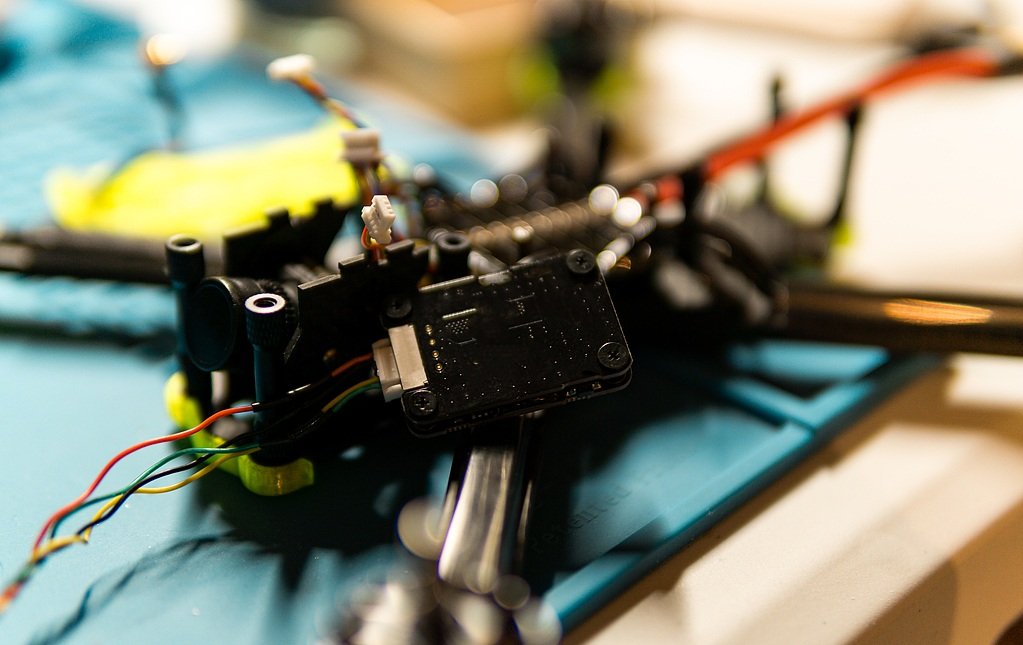
Consumer drones are low-cost but high-capability. Swarm attacks and stealthy mini-drones make static systems ineffective. Modular systems let me add sensors, radar, or jammers as needed. One facility may start with a small RF+camera module. A stadium or airport can scale up multiple modules, networked for centralized monitoring. This staged scalability saves money and keeps defenses effective.
| Scaling Type | What It Adds | Benefit |
| Frequency Expansion | New RF bands | Stops new drone models |
| Power Expansion | Higher output modules | Extends jamming range |
| Feature Expansion | RF + radar + optical | Multi-layer detection |
Scalability matters because drones evolve quickly. Encrypted signals or autonomous flight can bypass static systems. Incremental updates ensure long-term protection without replacing the core setup.
I see many teams need fast results, but large systems take too long to deploy. Airports, stadiums, and events often need immediate coverage.
Plug-and-play modules reduce setup time because teams only connect power and control lines before defending the area.
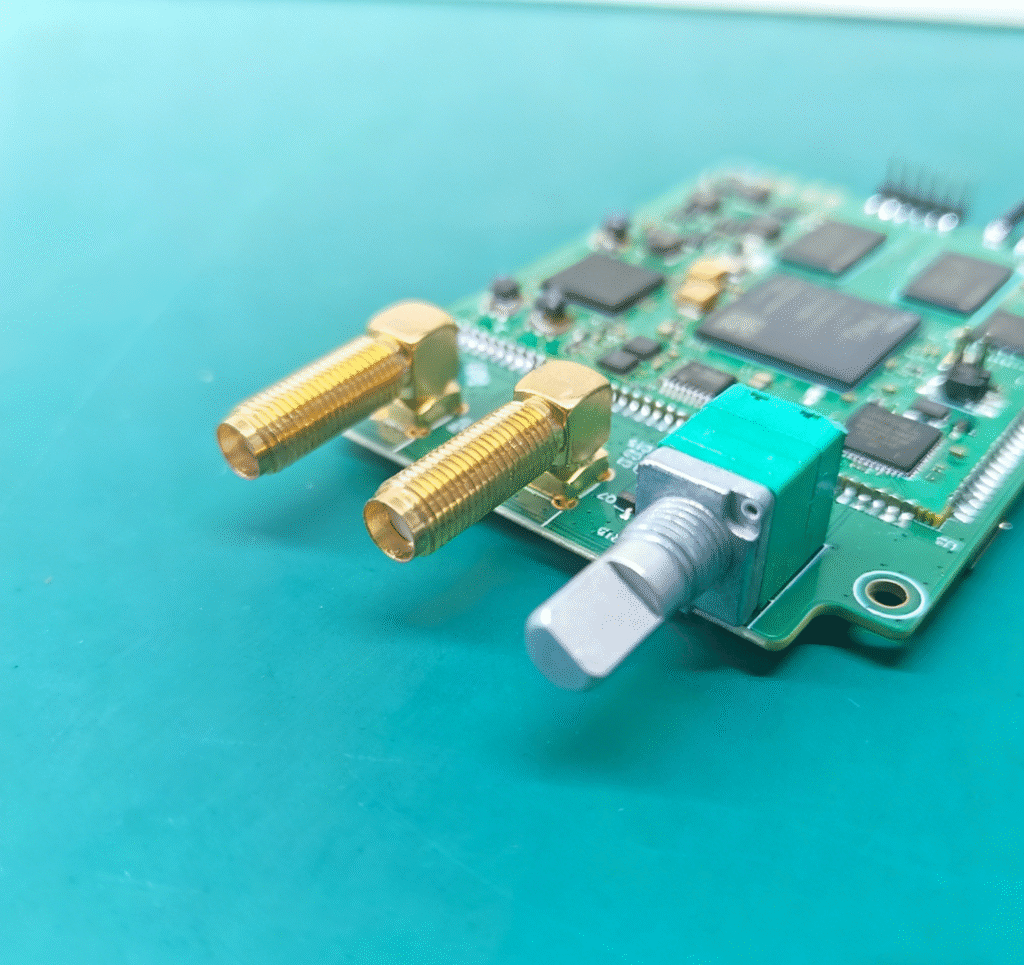
In one event, my team had six hours to secure a venue. Using plug-and-play modules, we mounted and powered devices quickly. Detection, tracking, and mitigation were online within minutes. Stress dropped, and the site stayed safe. Rapid deployment matters most where airspace threats can appear suddenly.
| Setup Type | Avg. Deployment Time | Skill Level Needed |
| Traditional CUAS System | 1–2 days | High |
| Plug-and-Play Module | 10–30 minutes | Basic |
From border patrols to Olympic venues, plug-and-play modules allow teams to secure temporary or changing locations fast. Detection and mitigation can start almost immediately, keeping people and infrastructure safe.
I see many facilities hesitate to upgrade because rebuilding costs too much. Airports, power plants, and government sites often rely on older infrastructure.
Anti-drone modules upgrade security by integrating into existing infrastructure so teams avoid major reconstruction or rewiring.
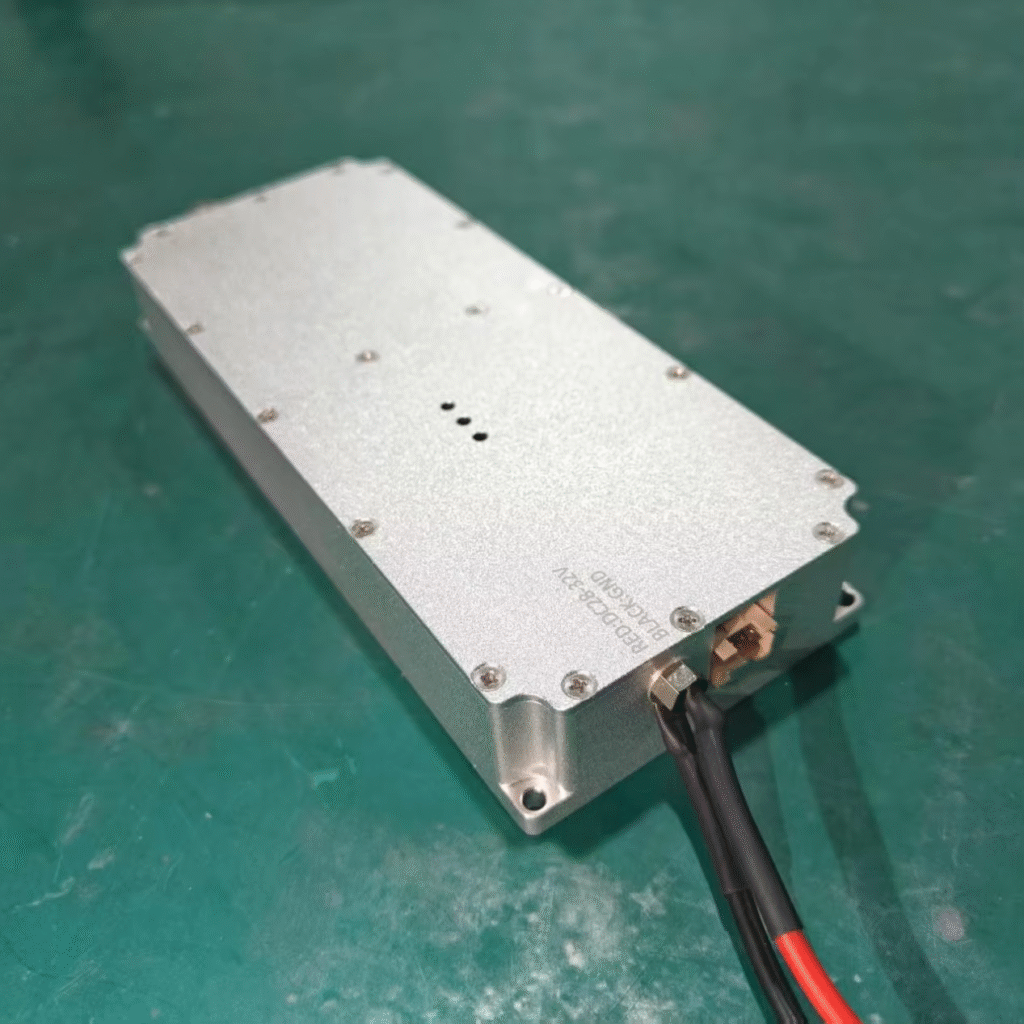
Modules add detection and mitigation to existing CCTV towers, radio cabinets, or access control networks. Teams avoid shutting down operations, replacing racks, or rebuilding towers. Rogue drones can be identified, jammed, or redirected safely, with real-time tracking and secure data logging.
| Existing System | Module Add-On | Benefit |
| CCTV Towers | Jammer or detection module | Adds airspace control to ground security |
| Access Control Network | RF detection node | Extends perimeter awareness |
| Radio Cabinet | Jamming shelf module | No structural rebuild needed |
This approach is cost-effective. Rebuilding entire counter-drone systems is expensive and disruptive. Modules deliver layered detection, precision mitigation, and real-time integration at a fraction of the cost, while staying fully compliant with regulations like FCC, Ofcom, or CEPT.
Anti-drone modules provide flexible, scalable, rapid, and compliant protection, solving traditional defense flaws and keeping airspace secure.









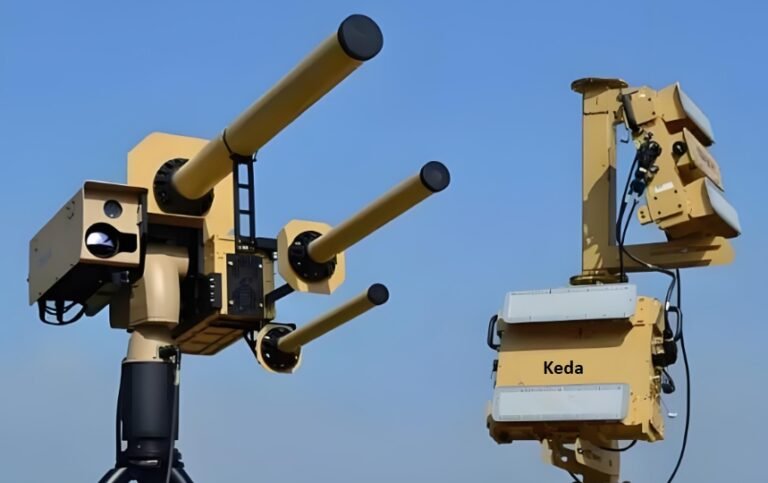
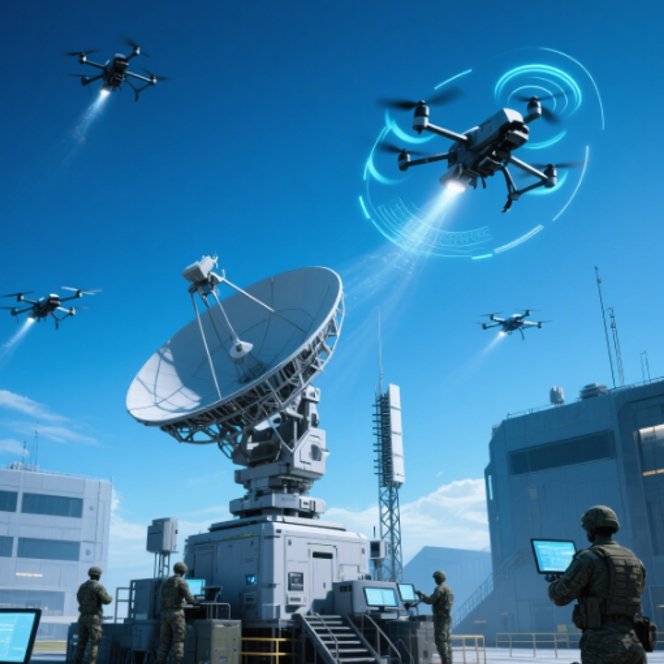
 Русский
  العربية
  Français
  Español
  Português