Welcome! Unlock Your First Offer Here
Welcome! Unlock Your First Offer Here
Welcome! Unlock Your First Offer Here
China's top anti-drone jammer manufacturer

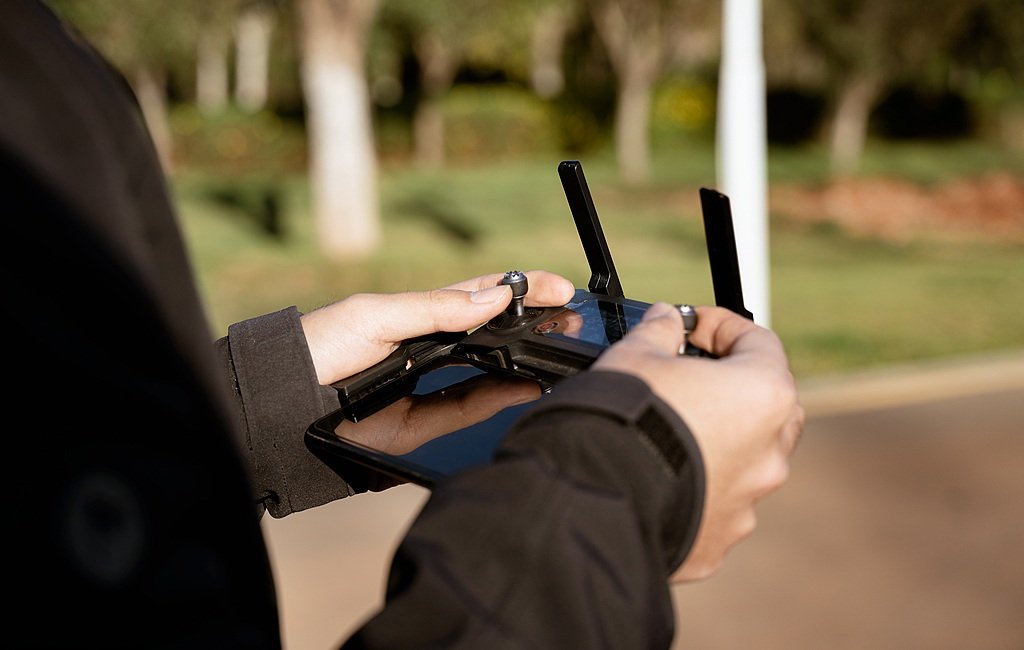
Antenna angle is one of the most overlooked factors affecting drone performance. I’ve seen drones slip through protection zones simply because antennas were misaligned. Adjusting tilt, azimuth, and polarization restored coverage instantly.
For drone pilots—whether capturing aerial footage, conducting industrial inspections, or racing through obstacle courses—a stable signal connection between the remote controller and the drone is non-negotiable. Understanding antenna orientation can save you from crashes, lost control, or ruined footage.
In this blog, I’ll explain how antenna angles influence interference, explore how misalignment causes signal loss, and share practical tips to optimize your setup.
Most consumer and professional drones use omnidirectional antennas. These transmit and receive signals in multiple directions, but “omnidirectional” does not mean uniform strength. Think of the radiation pattern as a donut: strongest in the horizontal plane and weakest along the vertical axis.
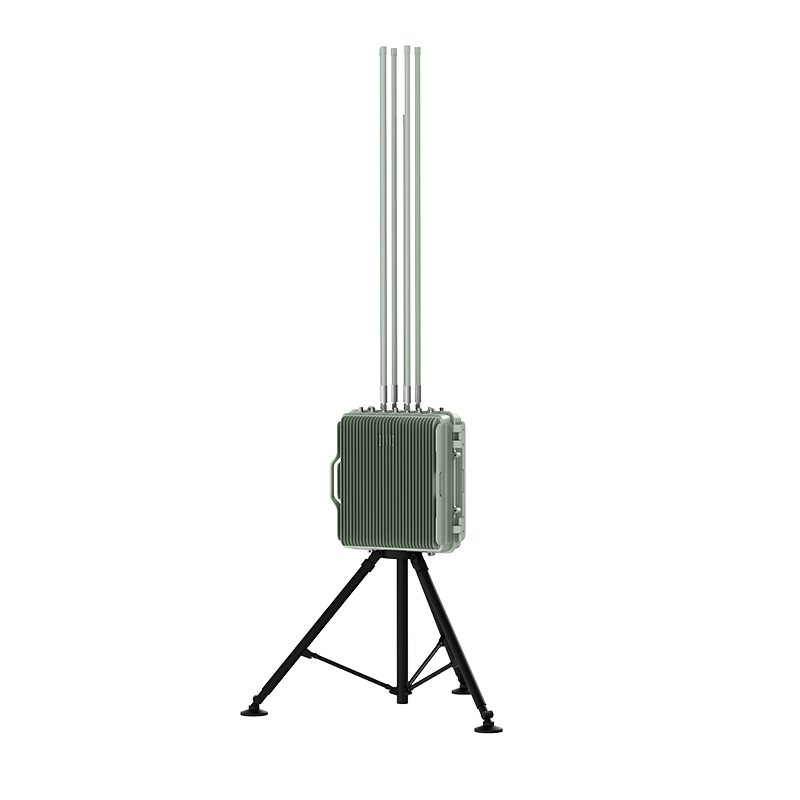
Drones rely on radio frequency (RF) signals—typically 2.4 GHz or 5.8 GHz. These travel in straight lines and are vulnerable to interference from obstacles (trees, buildings) and other RF sources (Wi-Fi routers, Bluetooth devices). The antenna angle directly shapes how much of this signal reaches the drone and how much interference creeps in.
A wrong antenna angle lowers effective signal strength. I once tilted an antenna 10 degrees and lost coverage at low altitude. Re-aiming restored range immediately.
Antenna orientation defines energy spread. Small shifts can reshape the main lobe, create nulls, and shift side lobes, leaving blind spots that allow drones to bypass protection.
Diving Deeper: Effects of Antenna Angle on Coverage
In tests, I mount antennas on vehicles or tripods and measure RSSI at several test points. Adjusting elevation and azimuth reveals how the main lobe shifts, where null zones appear, and how reflections off nearby surfaces affect performance.
Key terms:
Typical effects recorded:
| Parameter | Effect of Angle Change | Field Observation |
|---|---|---|
| Elevation Tilt | Moves main beam up/down | Low vs. high-altitude coverage |
| Azimuth Rotation | Shifts coverage horizontally | Creates blind spots |
| Polarization | Alters signal coupling | Impacts link strength |
| Beamwidth | Narrows or widens coverage | Trades range for width |
Reflections from the ground or nearby structures can create false coverage zones. Logging these conditions ensures reproducible results and a reliable SOP for field teams.
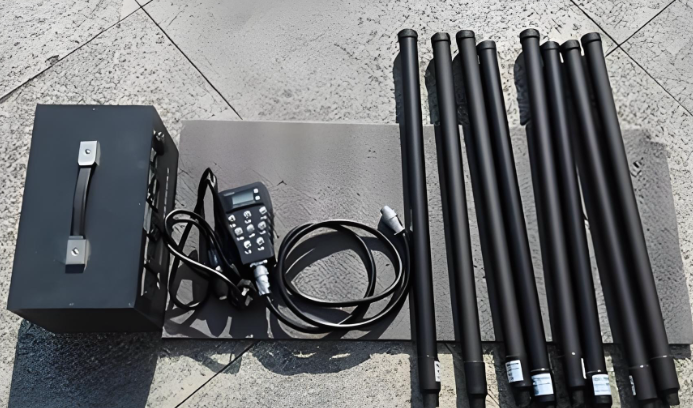
Jamming and control reliability rely on overlapping the drone-controller link. Even high power fails if the main lobe misses the drone’s antenna.
Diving Deeper: Link Geometry, Polarization, and Alignment
Think of the link as a line in space. The jammer’s energy must intersect that line. Misalignment or polarization mismatch can reduce interference by 20–50%. For vertical drone antennas, a horizontal jammer beam loses efficiency.
Field alignment checklist:
Factors and field checks:
| Factor | Why it Matters | Field Test |
|---|---|---|
| Azimuth Alignment | Ensures overlap with link | Sweep and monitor signal drop |
| Elevation Aim | Matches drone flight height | Test RSSI at altitudes |
| Polarization | Maximizes coupling | Rotate antenna and observe signal |
| Distance | Influences required power | Increase output as range grows |
In one corridor defense, a small azimuth and polarization tweak enabled jamming from 80–150m, where previous tests failed. Correct direction often matters more than raw power.
There is no single “best” angle. Optimal orientation depends on antenna type, drone altitude, and environment.
Diving Deeper: Choosing Angles by Antenna Type and Mission
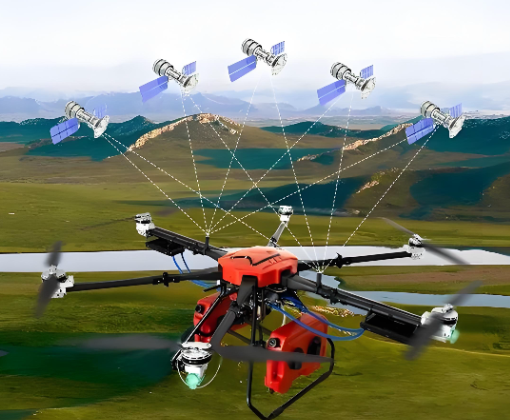
High-gain directional antennas are ideal for corridors or long-range coverage. Sector antennas cover larger volumes but sacrifice peak range. Omnidirectional antennas provide 360° coverage but shorter distance.
Steps I use to pick angles:
Comparison:
| Antenna Type | Angle Strategy | Advantages | Limitations |
|---|---|---|---|
| High-Gain Directional | Aim at flight path | Long range | Requires precision |
| Sector / Panel | Slight downward tilt | Covers large area | Less peak range |
| Omnidirectional | Keep level | 360° coverage | Shortest range |
I balance trade-offs. At a fuel depot site, sector antennas were tilted slightly down for low-level coverage. For a single corridor, a high-gain dish aimed precisely extended range over 1 km.
Signal polarization and radiation pattern alignment are key. Misalignment causes two main issues:
Aerial photographer friend struggled at a music festival. His drone glitched near the stage despite high-power control. The problem? He was pointing the remote antenna directly at the drone. A vertical adjustment solved the interference instantly.
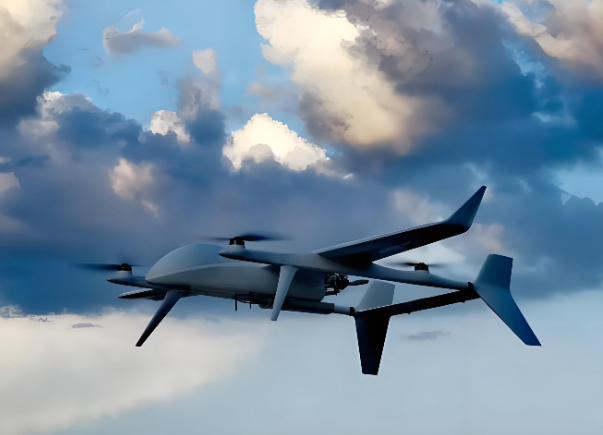
Yes. Loose mounts, wrong elevation, and ignored polarization create blind spots. Regular checks prevent failures.
Checklist for reliability:
I once moved a jammer on a convoy. The mount shifted slightly; drones bypassed coverage. After re-aiming and a sweep, protection was restored.
Antenna angle determines coverage, polarization alignment, and interference vulnerability. Testing, precise aiming, and consistent logging ensure reliable drone control and effective jamming in any environment.